Outlast the Rest, Coat with the Best
Welcome to Precision Powder Coating, where we armor up the everyday! As your dedicated powder coating specialists, we believe in providing a finish that not only looks fantastic but also lasts. Whether you're looking to revamp your vehicle, tools, or everyday items, our advanced coating technology offers the ultimate protection and aesthetic upgrade.
Get Coated, Stay Protected
WHY CHOOSE POWDER COATING?
Choosing powder coating isn't just about changing colors; it's about making a smart investment in your belongings:
Enhanced Durability: Offers a tougher finish than conventional paints, resisting chips, scratches, and wear.
Increased Longevity: Protects against rust, corrosion, and UV damage, extending the life of your items.
Eco-Friendly: Uses materials that emit zero or near-zero volatile organic compounds (VOCs).
Cost-Effective: Requires less maintenance and fewer repaints over its lifetime.
Aesthetic Versatility: Choose from a wide range of colors and finishes to perfectly match your style and needs.
FAQS
What is powder coating?
Powder coating is a finishing process in which a dry powder—typically a polymer or epoxy—is applied electrostatically to a surface, then cured under heat to form a hard, protective finish. This technique provides a more durable and high-quality finish than traditional liquid paints.
How long does powder coating last?
Powder coating can last anywhere from 15 to 20 years, depending on the environmental conditions it's exposed to and the type of powder used. Factors such as UV exposure, climate, and the level of physical wear can affect its longevity.
What materials can be powder coated?
Most metals can be powder coated. This includes steel, aluminum, iron, and brass among others. Powder coating is ideal for metal objects such as automotive parts, outdoor furniture, and industrial equipment.
Is powder coating environmentally friendly?
Yes, powder coating is an environmentally friendly option. It contains no solvents and emits negligible, if any, volatile organic compounds (VOCs). Additionally, any overspray can be collected and reused, minimizing waste.
Can powder coating be done in any color?
Absolutely! Powder coating comes in a wide range of colors and finishes, including matte, satin, high gloss, and textured options. Custom colors can also be mixed to match your specific requirements.
What are the benefits of powder coating over painting?
Powder coating offers a number of benefits over traditional painting, including:
Durability: It provides a thicker and more uniform coating that is more resistant to scratching, chipping, and wear.
Efficiency: Powder coating processes are generally faster, as the curing stage is quick under heat.
Cost-effective: Less maintenance is required over time, and the material efficiency (due to recyclable overspray) can reduce costs.
Environmental Impact: Produces fewer hazardous waste products compared to liquid paints.
Can I powder coat objects myself at home?
While it is technically possible to powder coat items at home, it requires specific equipment like a powder coating gun, an electrically conductive item to coat, and a curing oven large enough for the item. For best results and safety, professional service is highly recommended.
How do I prepare items for powder coating?
Preparation typically involves cleaning the item thoroughly to remove oils, dirt, and rust. This may include sandblasting or chemical treatments to ensure the surface is completely clean and ready for coating.
What should I do if the powder coating is damaged?
If the powder coating is chipped or cracked, it's important to have it repaired quickly to prevent rust or further damage. Most powder coating providers offer repair services, or you can purchase a DIY repair kit specifically designed for powder coated surfaces.
How much does powder coating cost?
The cost of powder coating varies depending on the size and complexity of the item, the type of powder used, and the color or finish. Generally, it is cost-competitive with high-quality painting services, with added durability benefits. For a precise quote, it's best to consult directly with a service provider.
Get In Touch
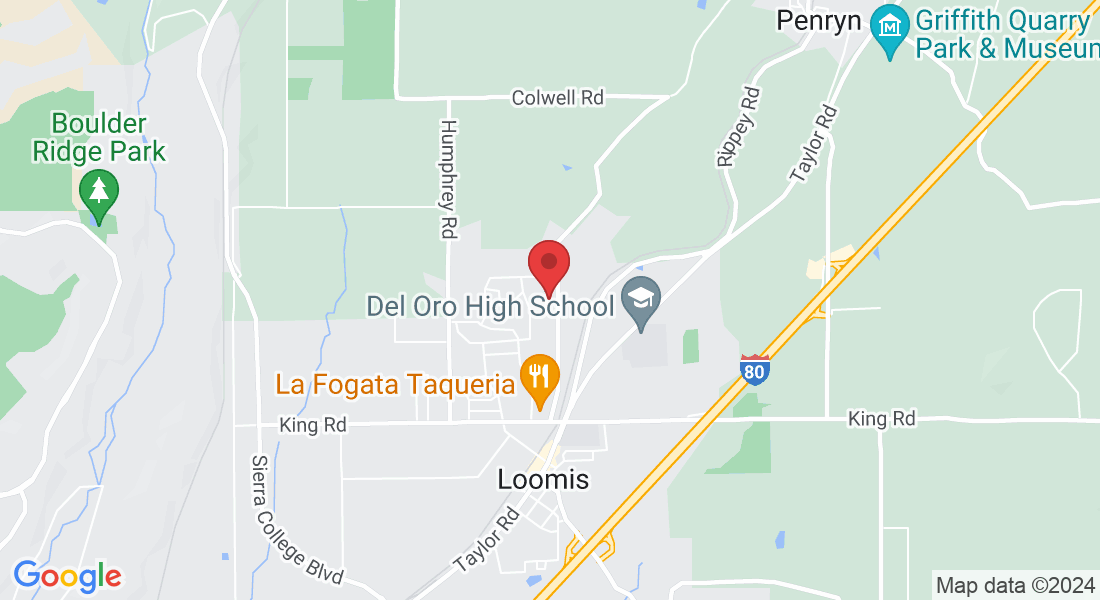
Address: 3220 Swetzer Road, Loomis CA 95650
Email: [email protected]
Phone: 916-652-4148
Mon - Fri 9:30am - 5:00pm